
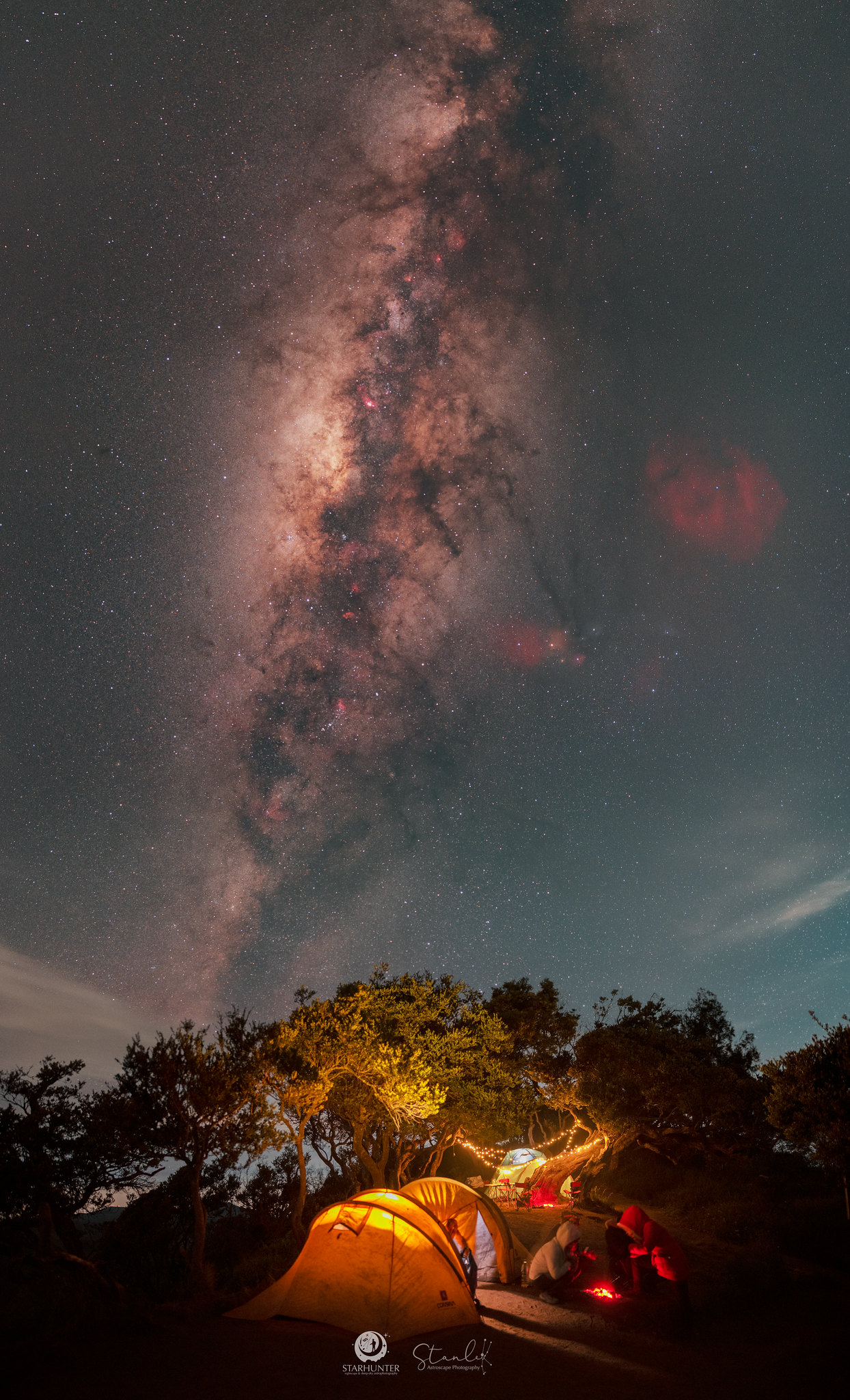
More than 80% of the world’s population, and one third of humanity cannot see the Milky Way at night due to the luminescent glow of artificial light, according to a new world atlas that attempts to quantify the global impact of light pollution.
.
Industries
Dark Sky Ecotourism have tremendous sustainable and regenerative tourism potential.
Sustainable tourism considers the full economic, social, and environmental impacts of travel, both now and in the future. It seeks to balance the needs of visitors, the tourism industry, the environment, and host communities. This approach includes conservation efforts, the protection of cultural heritage and traditional values, and the fair distribution of socio-economic benefits. While sustainable tourism evaluates tourism’s overall impact, ecotourism places a stronger emphasis on environmental protection and nature-based experiences.
Regenerative tourism goes a step further by actively addressing cultural and ecological challenges within destinations, particularly those caused by climate change and over-tourism. Rather than simply minimizing harm, regenerative tourism aims to restore and improve places by reconnecting visitors with nature, fostering meaningful relationships with local communities, and encouraging shared responsibility among travelers.
Regenerative Tourism & Destination Stewardship.
Destination stewardship focuses on protecting the qualities that make a place a great place to live, while also enhancing its appeal as a destination to visit.
37%
An Amadeus survey found that 37% of travelers believe participating in destination preservation can help make tourism more sustainable long term
68%
Booking.com reports that 68% of travelers would join cultural exchanges, 54% would do volunteering trips, and 52% would consider international work placements.
Dark Sky Ecotourism can deliver on the SDG’s .
In 2015, the United Nations introduced 17 Sustainable Development Goals as a global roadmap for countries to achieve sustainable development.

Pollution, including light, harms health. Dark Sky Ecotourism promotes wellbeing and healthy living.

Dark Sky Ecotourism encourages appreciation for the night sky, nature, and science, and can inspire people to pursue careers in STEM.

By focusing on off-peak tourism hours, Dark Sky Ecotourism can generate new jobs and economic opportunities for rural communities and small businesses.

Dark Sky Ecotourism, particularly initiatives led by destination stewardship, places additional pressure on local governments to invest in eco-friendly lighting solutions.

Tourism, especially overtourism, can contribute to climate change, while Dark Sky Ecotourism offers a pathway to positive environmental impact.

Light pollution disrupts nocturnal and migratory animals, including sea turtle hatchlings, and Dark Sky Ecotourism can help promote better environmental outcomes.

Dark Sky Ecotourism can showcase lesser-known cultural heritage, such as astro folklore, while bringing together diverse communities and tourism stakeholders.

Dark Sky Ecotourism, through destination stewardship approaches, provides a framework for private, public, and government institutions to collaborate for the improvement of tourism.
Trusted by the world’s fastest growing companies: