
More than 80% of the world’s population, and one third of humanity cannot see the Milky Way at night due to the luminescent glow of artificial light, according to a new world atlas that attempts to quantify the global impact of light pollution.
.
Fastest-Growing Travel Trends
Cities Grow Brighter, People Long for the Stars.
As more people than ever now live in cities and urban areas, natural darkness has become an increasingly rare resource. For many, experiencing a truly dark night sky now requires travelling away from home. In doing so, people rediscover the spiritual, health, and educational benefits that the night sky provides. This growing search for darkness has given rise to a new wave of Dark Sky Tourism, also known as Astrotourism.
Dark Sky Tourism is among the fastest-growing travel trends worldwide, as destinations increasingly recognise the value of preserving their dark skies and actively develop night-sky experiences to meet rising demand. By protecting this natural asset, places are not only safeguarding the night environment but also unlocking new opportunities for sustainable tourism growth.
Conserving Night Skies Through Sustainable Ecotourism.
Dark Sky Tourism is one of the fastest-growing travel trends around the world as more and more places are working hard to preserve their dark skies and tap into this growing market.
Visiting Dark
Visiting dark, remote areas to observe stars, planets, and deep-sky objects.
Observation
Visitors observe the night sky with the naked eye or using binoculars.
Experiences
The experiences are complemented by stargazing and astrophotography.
Strategic Benefits of Integrating Dark Sky Conservation with Ecotourism .
In recent years, people have become much more mobile, and traveling to remote areas is now increasingly accessible to the general public. This shift has created a previously untapped resource for regional economies. Emerging tourism markets have the potential to transform rural communities, bringing both positive and negative impacts.
When managed correctly, tourism can drive employment growth, economic development, cultural enrichment, business opportunities, and even the protection of natural environments. However, traditional tourism is not without its challenges. Seasonal fluctuations can lead to unstable employment, and poorly managed visitor flows can harm local ecosystems and environments.
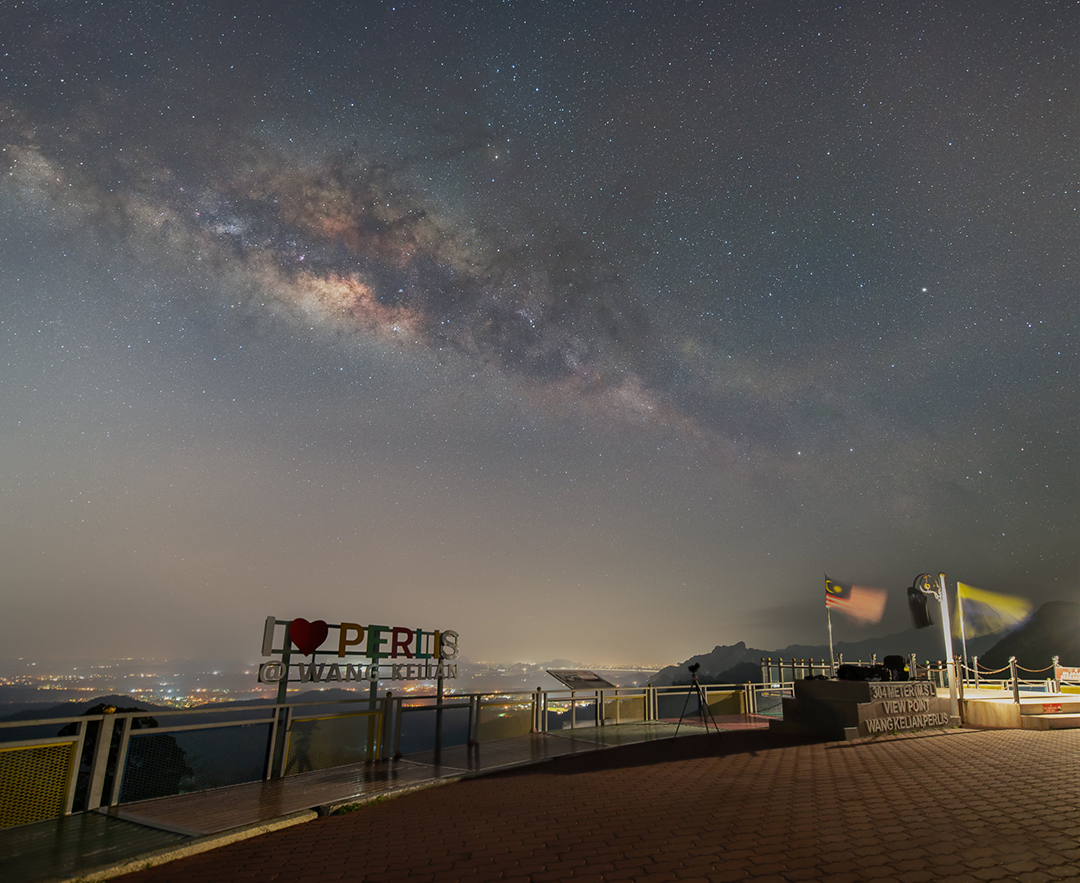
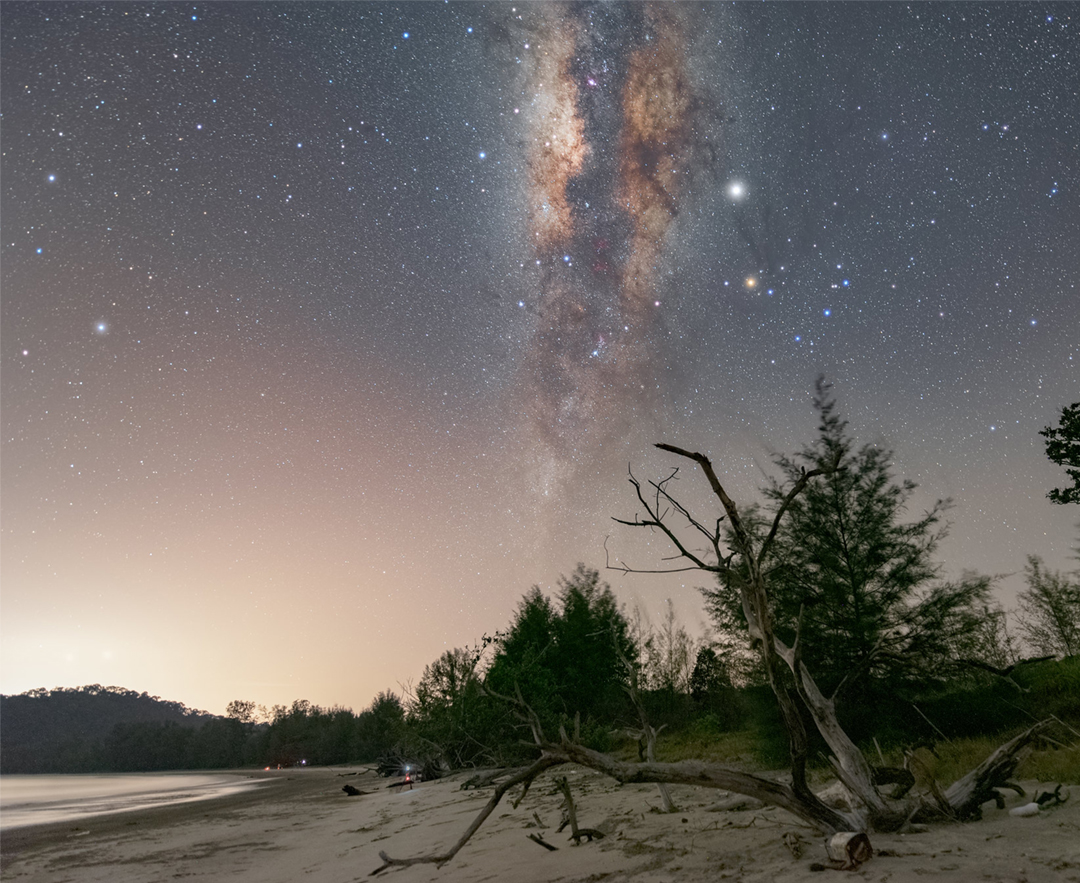
Image 1: Summer Milkyway Raise Over Wang Kelian, Perlis. Wang Kelian holds high-value geological tourism assets and strong dark sky ecotourism potential, yet increasing regional light pollution threatens its environmental integrity and long-term sustainability.
Image 2: Pantai Air Papan, Mersing once famed for vertical Milky Way views, was a stargazing site, but recent light pollution degraded skies from Bortle 1 to 3.
Dark Sky EcoTourism has the potential to transform the sustainability of regional tourism industries by promoting off-peak activities centered on darkness. Unlike many daytime attractions, night-sky experiences can help spread visitor demand more evenly throughout the year. However, anyone who has planned an activity around stargazing understands that it is highly dependent on suitable conditions. Clear skies, minimal light pollution, and favorable weather are essential, and these factors cannot always be guaranteed.
As previously discussed, darkness plays a vital role in supporting natural ecosystems. By integrating dark sky experiences with nature-based ecotourism, destinations can overcome these limitations and offer a diverse range of night-time activities to visitors. This combined approach enables regions to create richer, more resilient tourism offerings that extend beyond stargazing alone.
Dark Sky Ecotourism also represents a form of frugal innovation for destinations and tourism businesses, as it draws upon two freely available resources: the night sky and the natural environment. One of the key advantages of adopting a Dark Sky Ecotourism model is access to the rapidly growing ecotourism market. Ecotourists are typically willing to travel to rural areas, stay longer, spend more locally, and share their experiences through social media—providing valuable organic marketing while supporting sustainable regional development.
Trusted by the world’s fastest growing companies: