
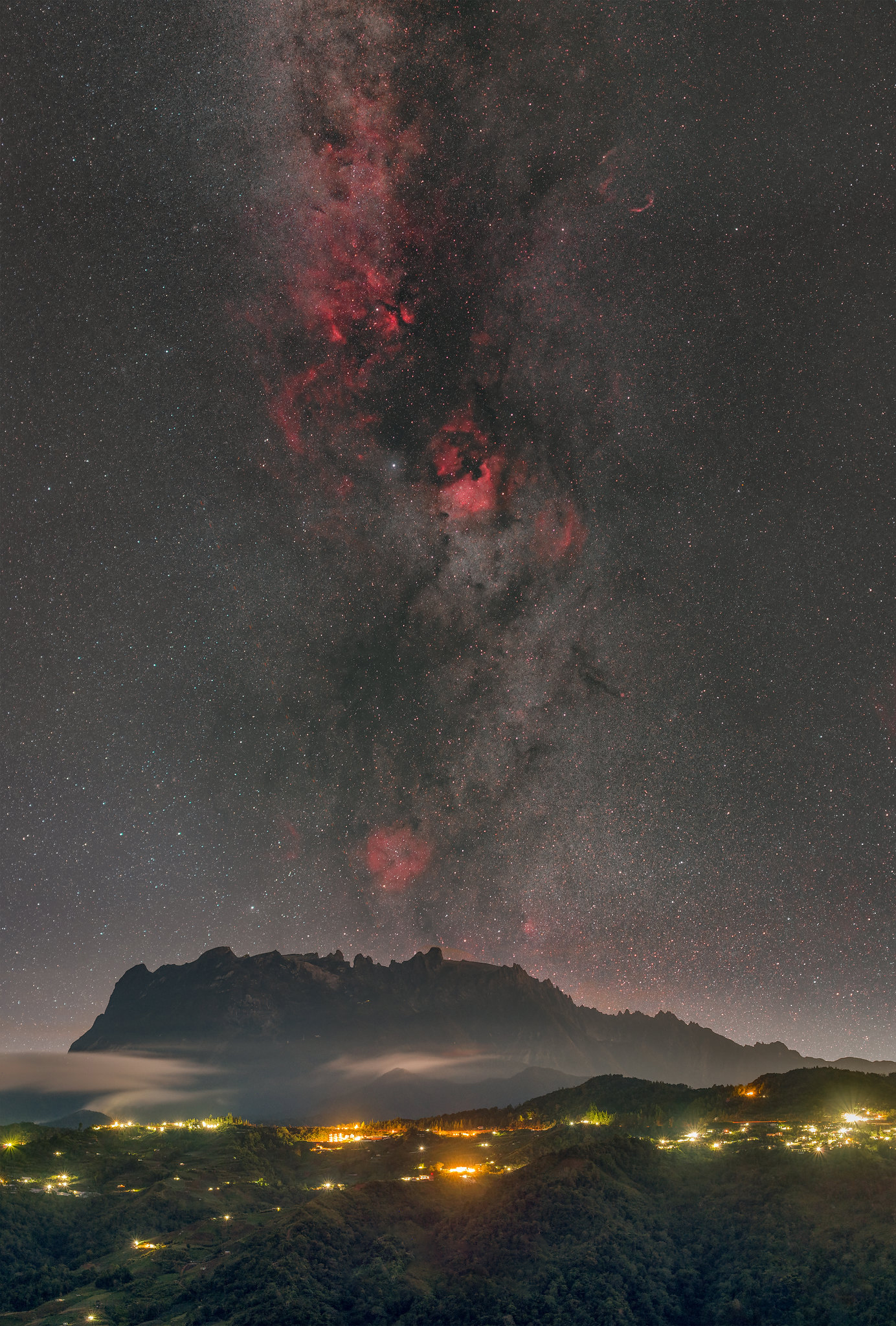
More than 80% of the world’s population, and one third of humanity cannot see the Milky Way at night due to the luminescent glow of artificial light, according to a new world atlas that attempts to quantify the global impact of light pollution.
.
Industries
The tourism industry plays a significant role in Malaysia’s economy.
In 2024, Malaysia’s tourism industry generated about RM291.9 billion, contributing roughly 15.1% to the nation’s GDP, according to DOSM. This increased from 14.9% in 2023, reflecting continued post-pandemic recovery and growth.
Dark sky ecotourism is a fast-growing niche that invites travellers to rediscover the beauty of natural darkness and the shared heritage of the night sky. From its equatorial location, Malaysia offers a rare chance to observe celestial wonders from both the northern and southern hemispheres—making it an ideal destination for stargazers and astronomy enthusiasts.
For centuries, people have looked to the stars for wonder and meaning, and today many stargazers seek out Dark Sky areas for clear views of the Milky Way. Beyond tourism, dark skies play a vital role in wildlife protection and conservation. As post-pandemic travel rebounds, visitors increasingly seek immersive, nature-based experiences away from crowded destinations. Dark sky ecotourism represents a form of frugal innovation, drawing on two free and powerful resources: the night sky and nature.
Dark Sky Ecotourism.
This initiative forms part of the Astrotourism Programme led by the Starhunter Astronomical Collaboration Gateway (SACG). It aims to preserve dark skies and ecotourism values, stimulate rural economic development through astrotourism, promote citizen science, and create meaningful, sustainable night-sky experiences.
Opportunities
To help businesses unlock dark-sky ecotourism opportunities.
Sustainable
To promote sustainable tourism growth in rural and remote areas.
Educate
Educate communities about dark-sky opportunities.
Support
To support wildlife protection and dark sky conservation.
Committed to economic, social, and environmental sustainability, we aim to refocus tourism to be more sustainable and resilient .
The dark sky evokes deep human emotions and connects us all to the universe. For generations, people have gazed at the night sky, told stories, and found meaning in the stars and the mysteries of the darkness. Yet as artificial lighting continues to increase and the quality of natural darkness declines, we are steadily losing the ability to experience the true beauty of the night sky.
At the same time, excessive artificial light threatens countless species that depend on darkness for survival, including insects, birds, bats, and many other nocturnal creatures. As awareness of these impacts grows, travellers are increasingly seeking more immersive and meaningful journeys—moving away from crowded, conventional tourist destinations and towards authentic, nature-based experiences that reconnect them with the night and the natural world.
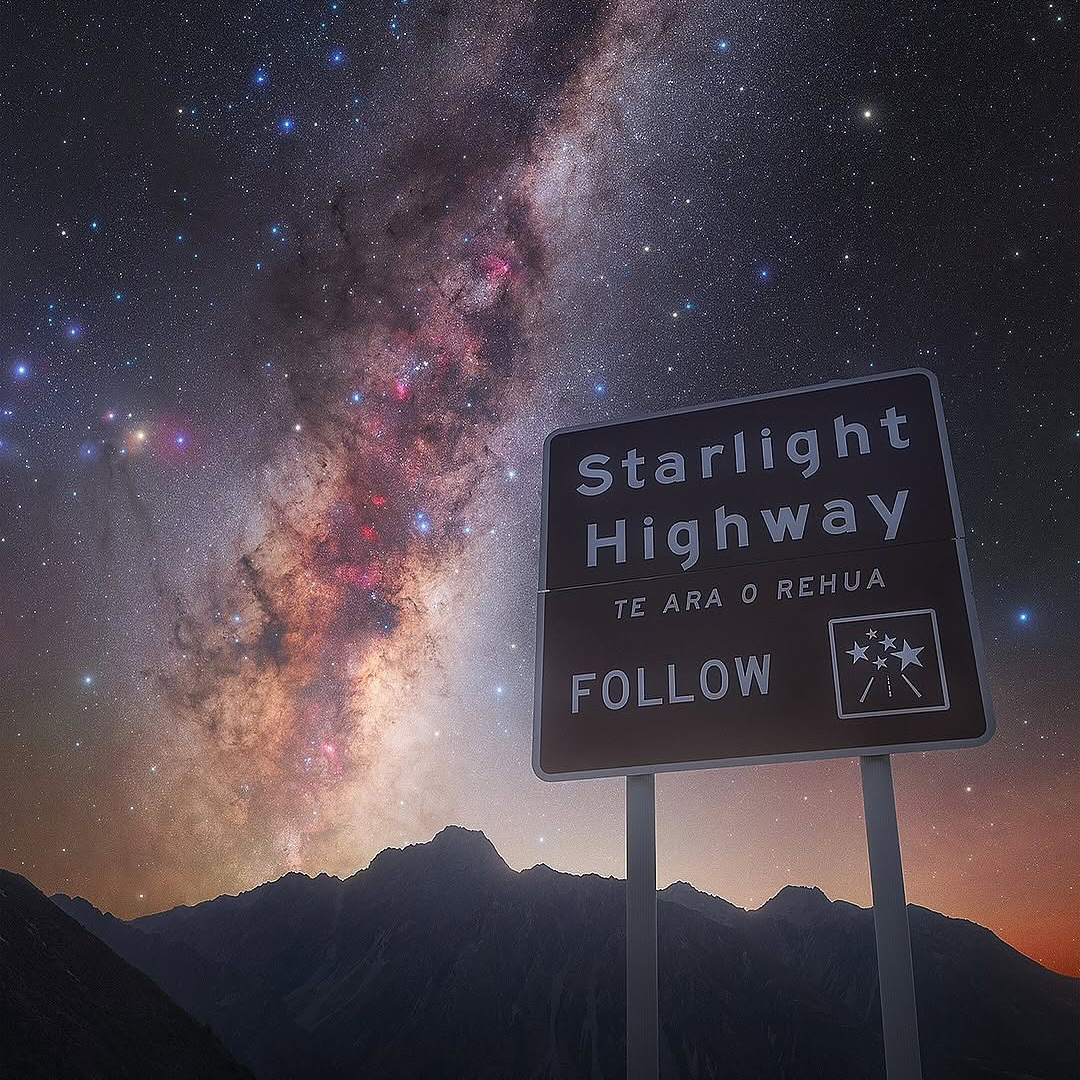
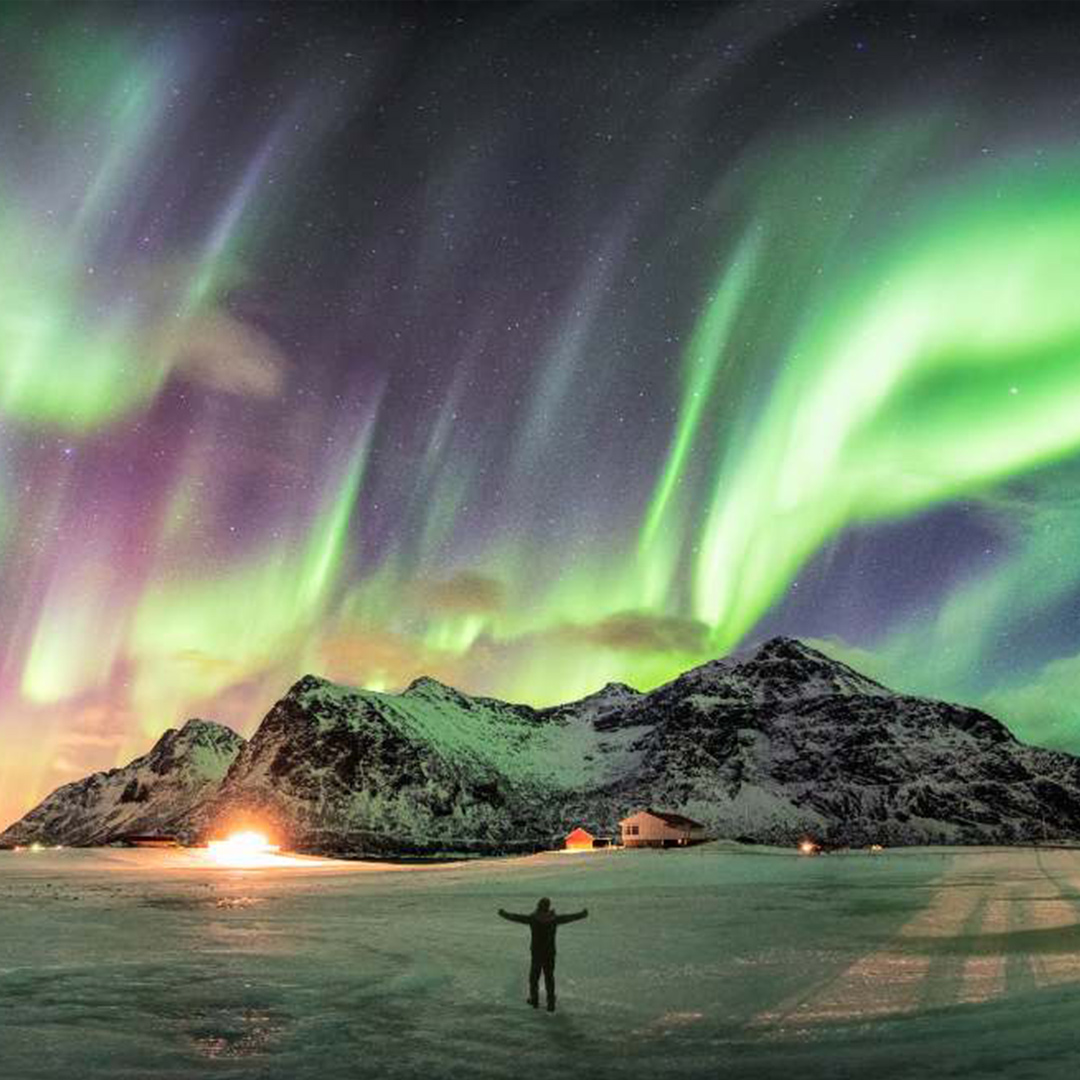
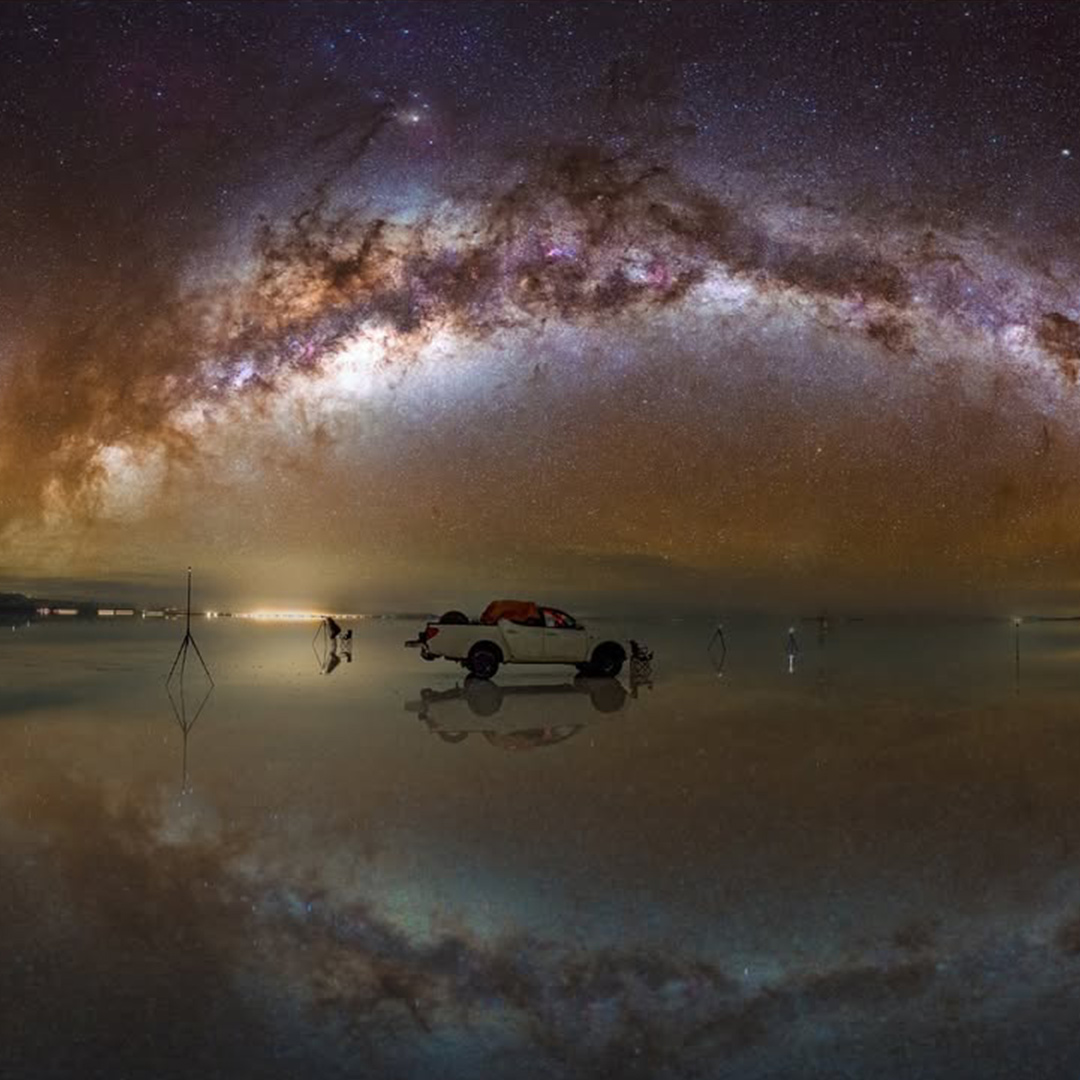
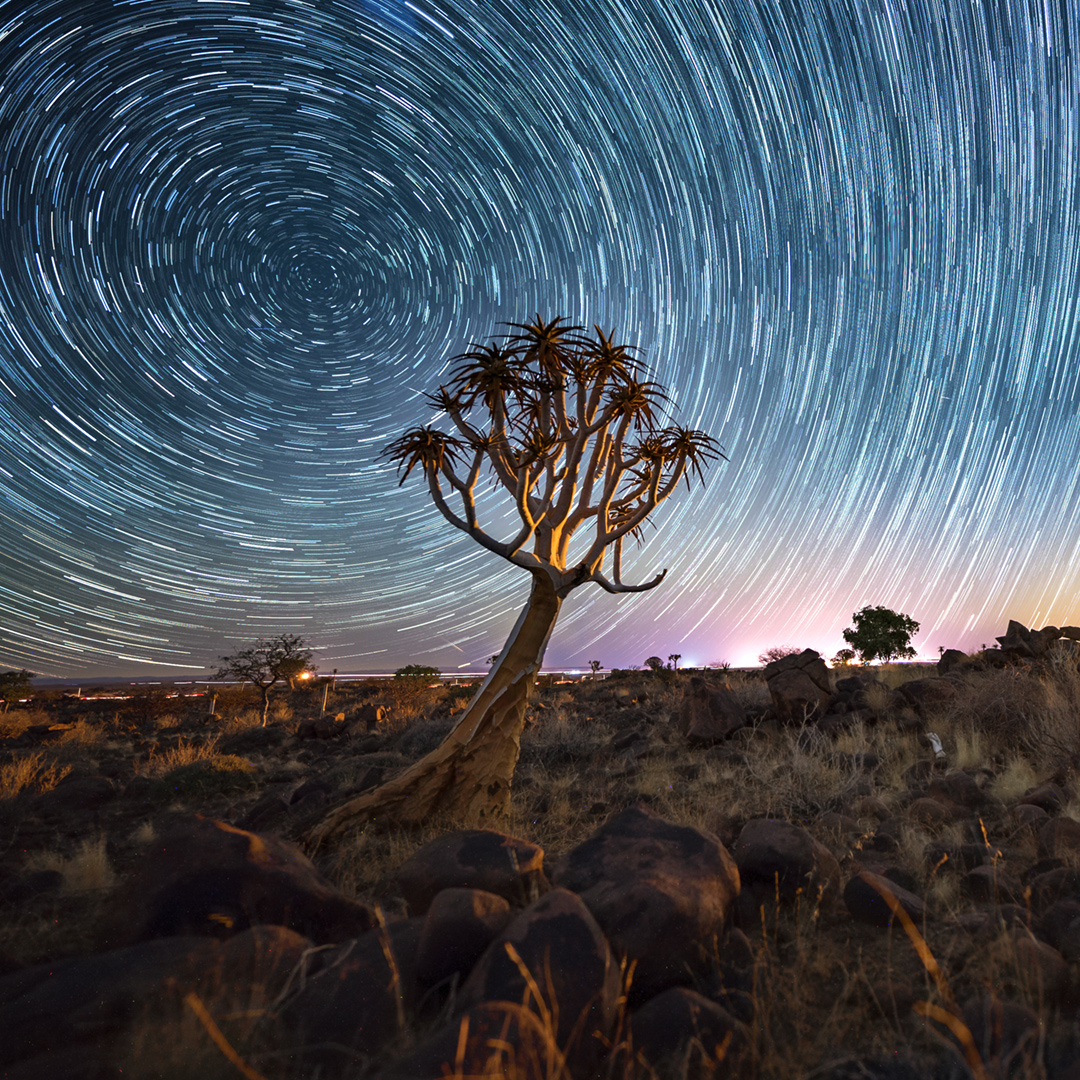
Experiences from New Zealand, Australia, Namibia, Bolivia, and Iceland demonstrate that nature-based tourism operators can relatively easily integrate Dark Sky activities into their existing tourism offerings. Because Dark Sky Ecotourism is grounded in core ecotourism principles, many nature-based businesses already meet—either fully or partially—a significant number of Dark Sky Ecotourism requirements. Analysis of case studies from New Zealand shows that these operators are often well aligned with established ecotourism standards, making the transition to Dark Sky Ecotourism both practical and achievable.
Ecotourism is travel motivated by a primary interest in the natural history of a destination. It is a non-invasive, participatory form of nature-based tourism centered on learning, sustainability—including conservation and benefits for local communities—and guided by ethical planning, development, and management.
Trusted by the world’s fastest growing companies: